
The Custom Habitat: Designing the Perfect Indoor Home for Your Rabbit
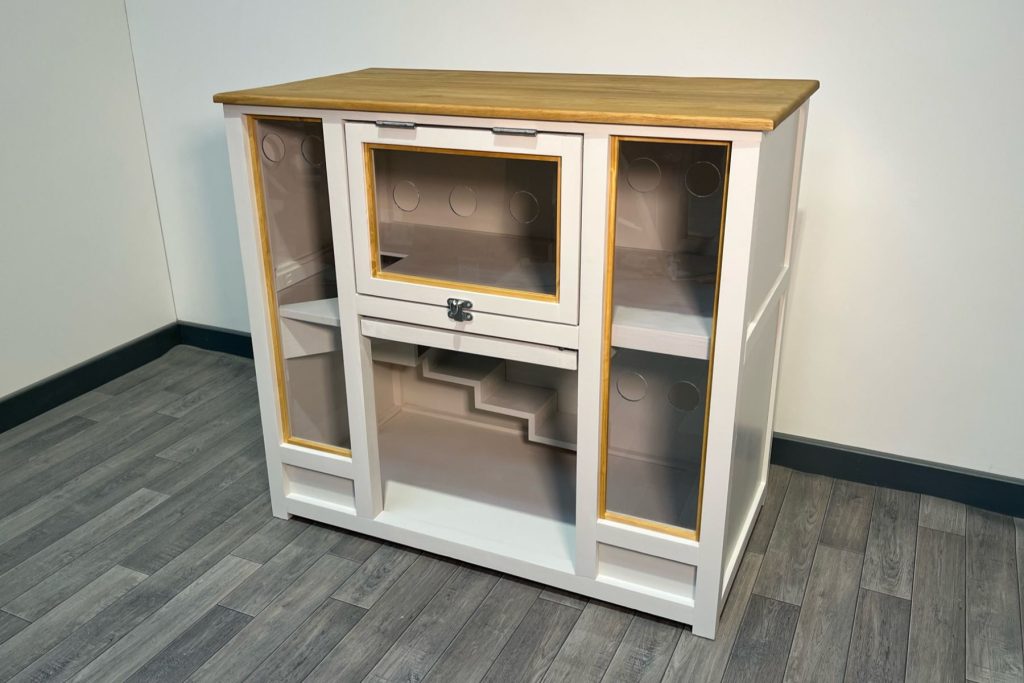
Designing a custom space for your pet is an exciting process, and no pet is too small for a bespoke living solution. We're seeing more rabbit owners recognizing that despite their small size, rabbits require a significant amount of space for healthy and comfortable living. This requirement lends itself perfectly to the custom furniture creation process. Whether you have a clear vision or are just starting to plan, this guide will help you understand all the factors necessary for creating the perfect indoor rabbit home.
Essential Indoor Rabbit Home Requirements
Before diving into the creative process, you must fully understand the minimum requirements for a rabbit habitat. For individual or multiple indoor rabbits, you must adhere to animal welfare guidelines. These standards dictate that a rabbit’s permanent living space should be a minimum of 3m x 2m by 1m high. This large footprint is mandatory because rabbits need ample room to run freely, hop, and stand fully upright, in addition to having dedicated sleeping quarters.
More space is always better than the minimum. To fully understand the exact space required, remember that the habitat must accommodate the rabbit’s daily exercise needs and be large enough to contain essential features without feeling cramped.
Our Simple Design Guide
When starting the design process, we suggest prioritizing the following features. Work through these steps to generate ideas for a functional, aesthetically pleasing, and stimulating environment.
1. Choose the Doors for Access and Flow
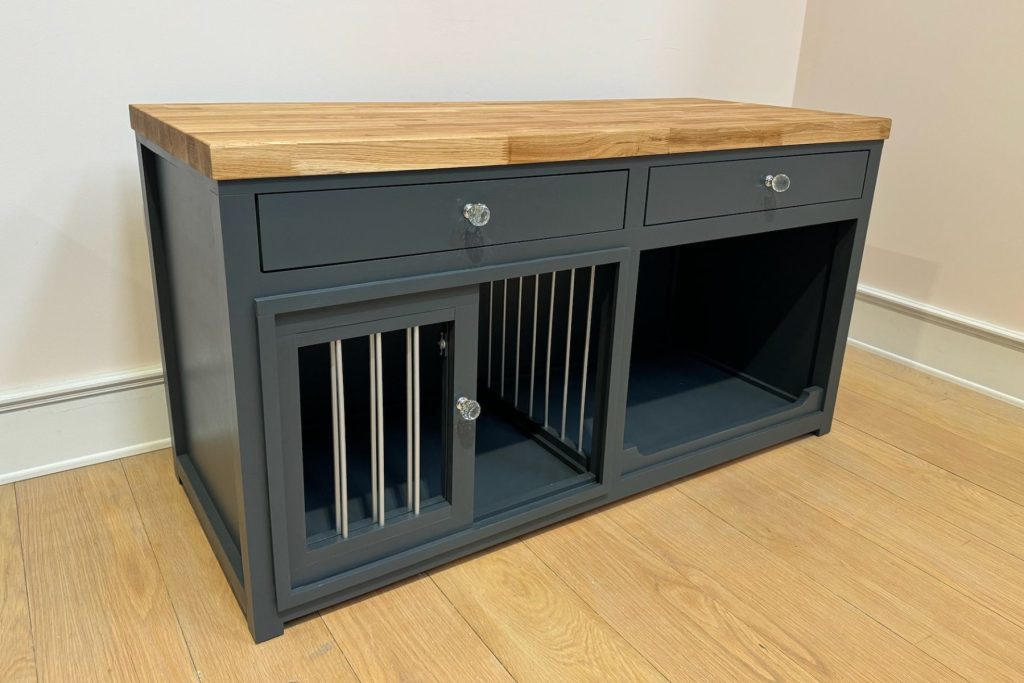
Every rabbit enclosure needs a functional door. The benefit of designing your own is choosing a type that suits your rabbit's needs and the constraints of your home. You might choose a classic hinged door for securely separating internal compartments, or a unique sliding door system. Sliding doors are excellent for easy movement, seamlessly tucking away into the furniture to allow your rabbit(s) to enter and exit freely during supervised playtime, while maintaining a tidy appearance when closed.
2. Consider Multiple Levels for Exploration
Rabbits naturally love to explore and hop. For this reason, many effective habitats incorporate multiple levels to create an exciting, three-dimensional environment. If you are housing two or more rabbits, a multi-level design is especially beneficial as it provides ample space to create separate living areas and gives your pets the room they need to move and play.
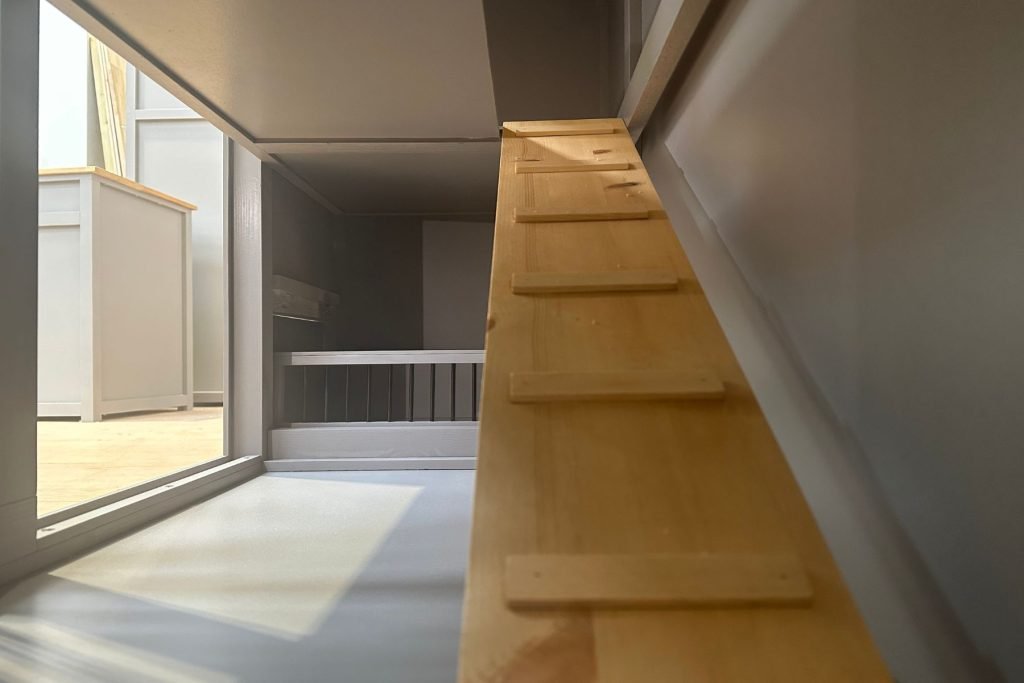
If you plan to split different areas onto different levels, you need tailored access solutions. Ramps and steps are popular choices. Ensure the access method is safe and tailored to the size and mobility of your pet, especially considering older or less mobile rabbits.
3. Prioritize Panelling for Safety and Light
Panelling is crucial for both aesthetic appeal and functionality. You might choose full end panels to help the enclosure blend with your décor, or add bars to the interior to make the space feel more light and airy for your rabbits. Since rabbits are natural chewers, using solid front panels is wise to prevent them from gnawing at the furniture structure itself and nearby objects. For visibility and natural light, utilizing clear but solid front panels to act as windows is highly recommended.
4. Incorporate Convenient Feeding Solutions
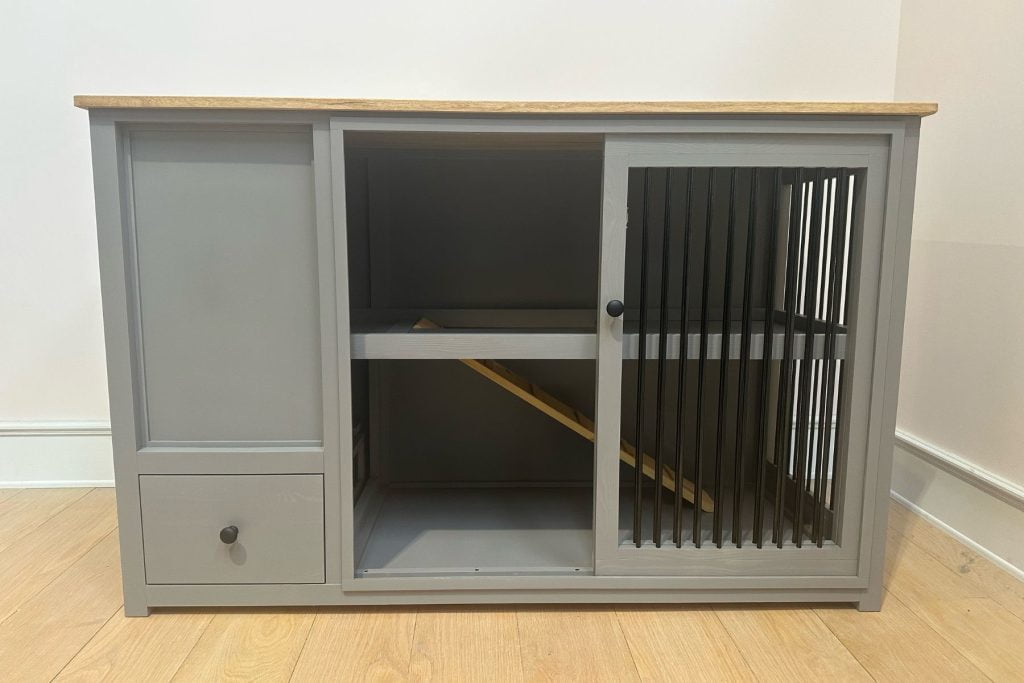
The design must prioritize easy access to proper nutrition and hydration. You can incorporate built-in feeding solutions in countless ways, such as adding a feeding drawer to keep pellets or food tucked away but easily accessible, or integrating secure holders for hay and water bottles directly within easy reach of key living spaces. Customizing these solutions increases convenience in both your routine and your pet’s daily access to food.
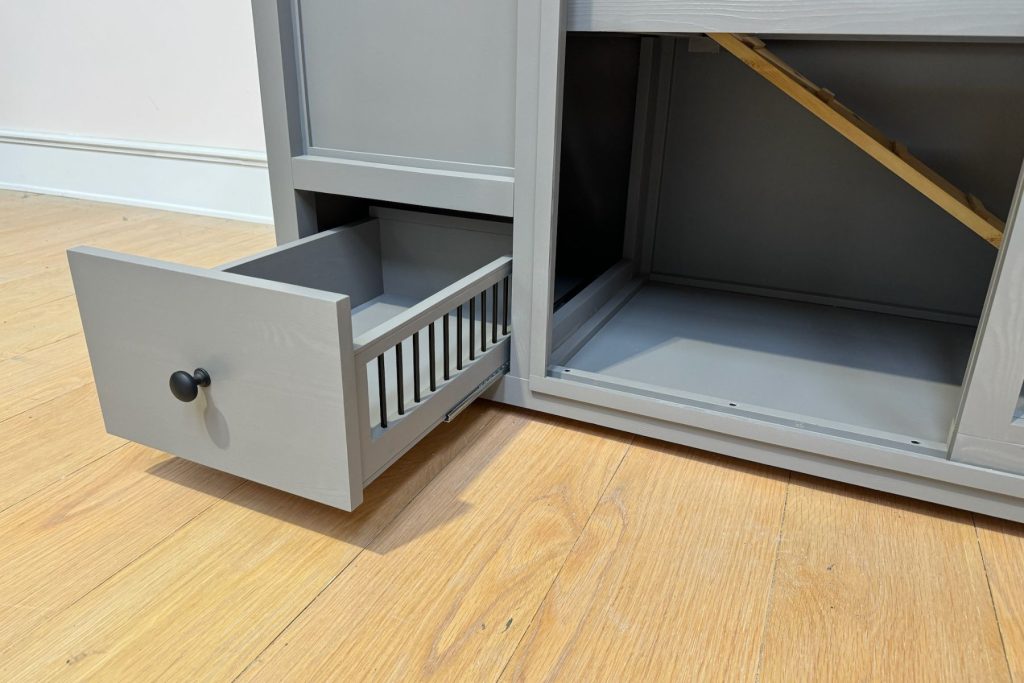
5. Don’t Forget Your Personal Style
A major advantage of bespoke furniture is tailoring it to your own home's decor. When designing the perfect indoor rabbit home, remember to consider your personal style. Utilize high-quality materials, fixtures, and fittings to create a perfectly multi-functional piece. Why not enhance your unique piece of furniture with a functional worktop or handy storage drawers for supplies?
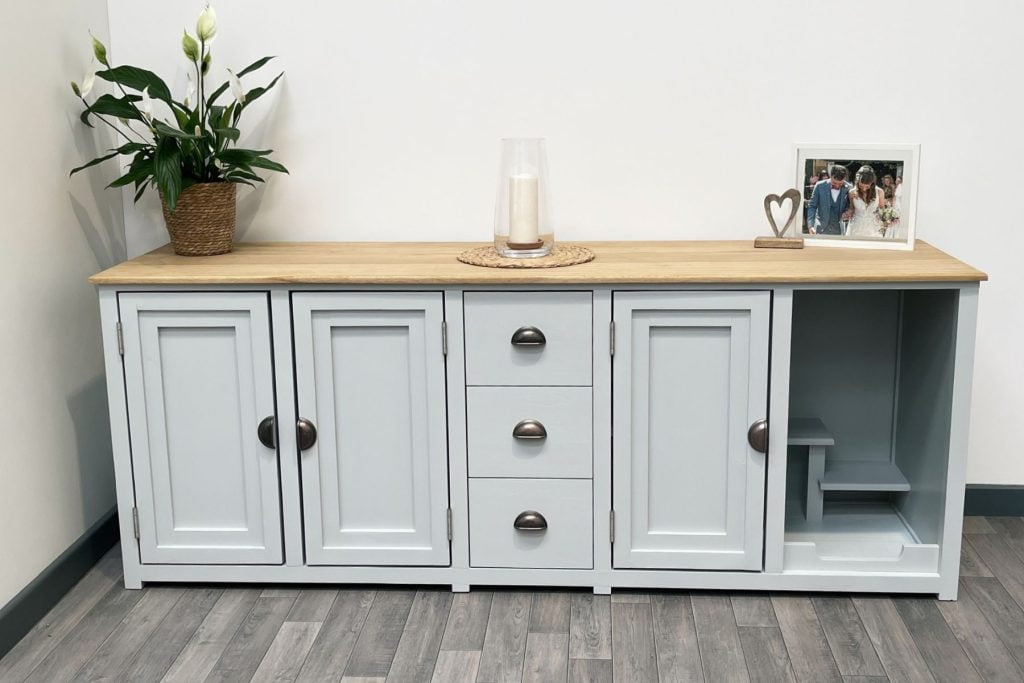
Remember, your unique requirements are important. By focusing on safety, welfare, and integration into your home, you can achieve the perfect indoor rabbit habitat.
Frequently Asked Questions (FAQ)
What are the minimum size requirements for a rabbit home?
The standard minimum requirement for a rabbit habitat is 3 meters by 2 meters (3m x 2m) of continuous floor space, with a minimum height of 1 meter. This provides enough room for running and standing upright.
Why is panelling choice important for indoor rabbits?
Panelling choice affects safety and light. Using solid panels or strong clear panels (like perspex) on the front can prevent the rabbit from chewing the furniture itself or adjacent items, while clear sections ensure they get enough natural light and visibility.
Do ramps and multiple levels count towards the minimum 3m x 2m space?
No. Ramps and multiple levels are excellent for enrichment and exploration but generally do not count towards the minimum 3m x 2m. This requirement is for continuous floor space needed for running.
How can I make the rabbit home more functional for myself?
You can add features like a functional worktop for holding supplies or preparing food, built-in storage drawers for litter and hay, and easily accessible feeding solutions (like integrated drawers) to streamline your daily care routine.
Post a Comment for "The Custom Habitat: Designing the Perfect Indoor Home for Your Rabbit"