

Your pet's new home is fully set up with toys, fresh food, and water. Now the real work—and the real fun—begins: forming a lasting relationship. Just like humans, every small animal has a unique personality, ranging from curious and energetic to timid and sleepy. While your pet acclimating to their new surroundings, observe their natural tendencies and adjust your approach accordingly. The most important rule? Don’t be discouraged if they seem shy or uninterested at first; building a deep bond requires time and patience
Phase 1: Building Trust in Their Space
1. Allow Ample Time for Adjustment
Whether your small animal is a baby or an adult new to your home, they need sufficient time to become comfortable and familiar with their new surroundings. The urge to immediately cuddle is strong, but let them explore their cage and establish their safe zones first. Once you frequently see them actively moving around and venturing out of their hide box, that’s your signal to slowly begin the introduction process.
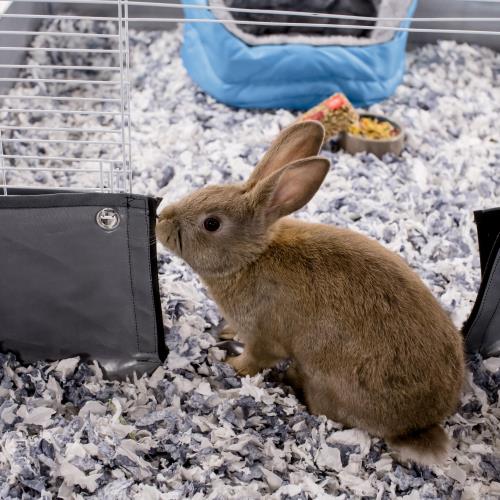
2. Introduce Yourself Slowly Using Voice and Scent
Start greeting and talking to your small animal every time you approach their habitat—when feeding, refilling their water, or offering a small treat. Always speak softly and gently in a conversational tone to avoid startling them. Initially, keep interactions limited to primary caretakers to avoid overwhelming the pet. Once they become familiar with your voice and perhaps approach you near the bars, slowly place your hand inside the cage (but don't force contact) so they can grow accustomed to your scent.
Phase 2: Reinforcement Through Touch and Treats
3. Create a Positive Association with Hand-Feeding
As your pet grows familiar with your scent, the next step is combining your touch with positive rewards. The best way to do this is with food! While they are distracted eating a treat, gently try petting them. This shows them that your touch is not a threat but a positive experience. When they seem comfortable, place a treat directly in the palm of your hand for them to take. Move slowly and avoid sudden movements, as their depth perception can make it difficult to distinguish food from your fingers. Since eating is a highly social activity for small animals, this method quickly helps **solidify your bond**.
4. Learn Proper Handling Techniques for Cuddling
It’s time for direct interaction! Before you attempt to pick them up, research the proper technique for their specific species to avoid injury or stress on their small frame. For example, Hamsters and Gerbils should be gently scooped and supported with cupped hands. Larger animals like Rabbits and Guinea Pigs require full support, often held close to the body in a “football carry,” with their hind ends completely supported.
Never lift them up by their tail, ears, legs, or other appendages, as this is extremely dangerous and can cause severe injury. Once they trust you fully, they may step right into your extended hands. To put them down, simply reverse the secure pick-up method, ensuring they don’t accidentally slip or escape.
Phase 3: Deepening the Relationship
5. Supervised Playtime Outside the Cage
Finally, get on your small animal’s level and allow them essential exercise and exploration outside of their main living space. Set up a dedicated, enclosed area on the floor with food, water, plenty of toys, and hideouts. For certain species, like hamsters, an exercise ball may be appropriate (but ensure it is the correct size). However, note that Guinea Pigs, Rabbits, and Ferrets should never use exercise balls. Instead, let them roam around a supervised, pet-proofed area.
Before any out-of-cage time, make sure to block off any small areas they could squeeze into and check for household hazards like electrical cords. Safety and supervision are paramount during these important bonding sessions.
If your pet was an adult when you got them, consider asking previous owners (if possible) about their bonding methods. This can give you a head start. Remember, every animal’s personality is unique, and so will be your journey to a long-lasting, cherished bond!
Frequently Asked Questions (FAQ)
How long should I wait before trying to touch my new small pet?
You should wait until your pet is fully **acclimated** to their new home, which may take several days or a week. Wait until they are actively exploring outside their hide box and seem relaxed. Start by just placing your hand in the cage so they can adjust to your scent before attempting touch.
What is the best way to handle a rabbit or guinea pig?
Rabbits and Guinea Pigs must have their **hind ends fully supported** when lifted. A secure method is the "football carry," where they are held close to your body with one arm supporting their entire weight, preventing them from kicking out and injuring themselves or you.
Should all small pets use an exercise ball?
No. Exercise balls are generally only recommended for hamsters (when sized correctly). **Guinea Pigs, Rabbits, and Ferrets should never use exercise balls** as these items can cause spinal injury, stress, and inadequate ventilation for their body types.
What is the secret to successful bonding?
The secret is **patience and positive association**. Always approach slowly, speak softly, and consistently link your presence and touch with positive rewards, such as their favorite treats, especially through hand-feeding.
Post a Comment for "The Trust Journey: 5 Steps to Bond with Your Small Pet"